
Climate
Impact of climate change, drought, and agri-food vulnerability in Achro Thar, Sindh
Introduction
Agro-Food Intellect Private Limited is a premier knowledge partner and specialized consultancy dedicated to strengthening Pakistan’s food value chain.
We bridge science, regulation, and innovation to build a safer, more resilient agro food ecosystem.
Our integrated approach connects agriculture, food safety, and public health intelligence to deliver strategic capacity building, actionable insights, and regulatory support for industry stakeholders, government bodies, and development partners.
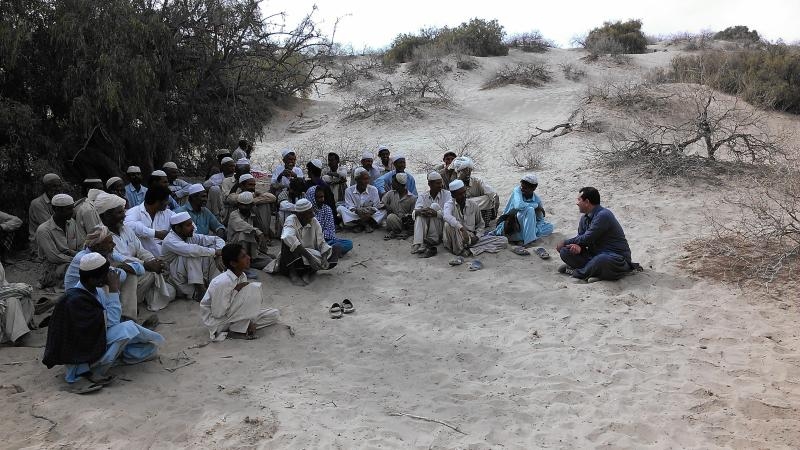
Achro Thar is characterized by sandy desert terrain, minimal vegetation, low annual rainfall, and predominantly brackish groundwater. The local agri food economy is heavily dependent on rain fed livestock rearing, supplemented by seasonal labor and small scale household activities. Climate induced droughts have led to acute fodder shortages, rangeland degradation, livestock malnutrition and mortality, reduced milk production, and declining household incomes. As livestock is the primary source of food and income, these shocks have directly intensified food insecurity and malnutrition, particularly among women and children.
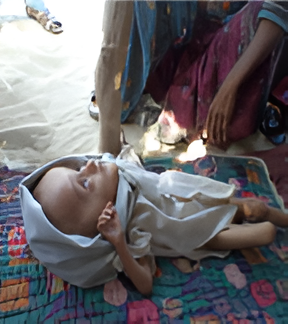
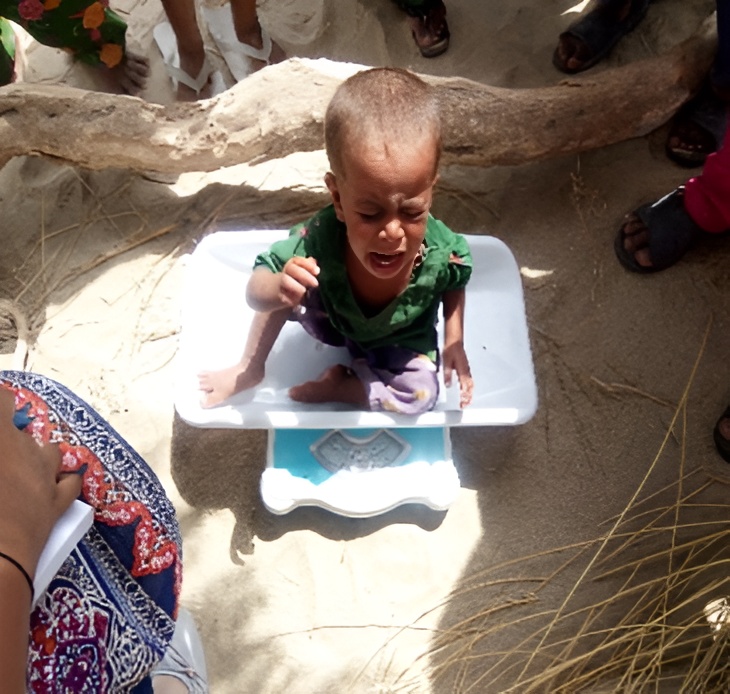
Abnormal growth of children in drought affected UC Kamil Hingro
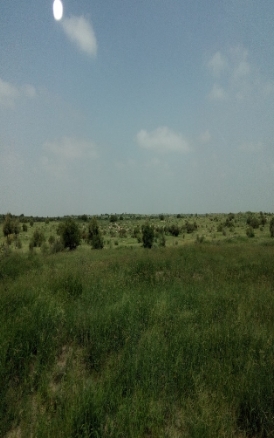
Before Drought Year 2011
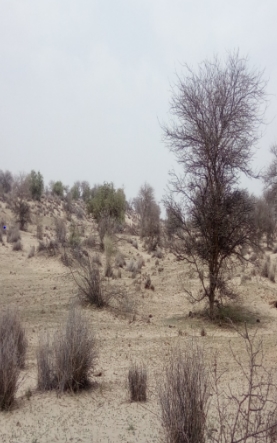
After Drought Year 2013
Findings
Evidence from multi sectoral assessments provides a detailed picture of how prolonged climate stress has transformed the region from a fragile rain fed ecosystem into a chronic humanitarian and agri food crisis. While seasonal floods affected parts of Sanghar in 2011, recurrent drought conditions from 2013 onward have had far more persistent and damaging impacts on livelihoods, food systems, and ecosystem stability. Around 13, 981 affected households have been estimated as a result of droughts since 2013.
Our teams identified that rainfall variability and drought are the primary drivers of vulnerability in Achro Thar. Below average and poorly timed monsoon rains between 2013 and 2016 resulted in repeated crop failure, near total loss of fodder, and collapse of rain fed agriculture.
Apart from health assessments, we provided relevant treatments to families and raised awareness on how to combat droughts and their environmental impacts by planting the moringa tree, which offers both plantation and nutrition benefits. The District Administration succeeded in its afforestation project by using more than 70% of the forest land for new plantations.
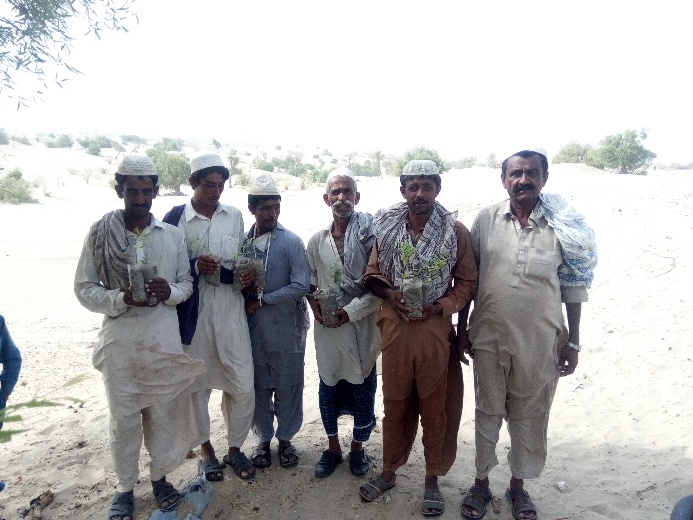
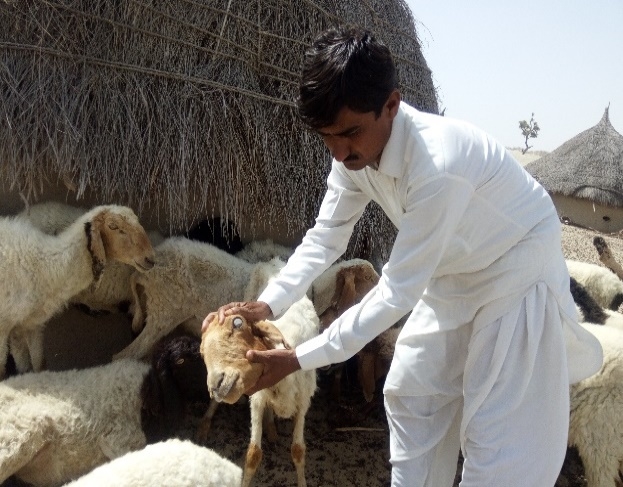
In addition, we conducted a thorough livestock evaluation and found that households rely heavily on livestock sales to purchase food, yet drought related livestock weight loss, disease, and reduced reproduction have sharply reduced household purchasing power. As a result, malnutrition rates among children under five and pregnant and lactating women exceed critical thresholds, reflecting sustained dietary insufficiency and unsafe water consumption. Despite emergency vaccination campaigns showing positive outcomes, the absence of permanent livestock health infrastructure leaves the system highly vulnerable to future climate shocks.
Water scarcity represents one of the most critical climate risks. Communities rely on rain fed ponds and dug wells, many of which contain saline or contaminated water. Limited access to safe drinking water has increased the prevalence of water borne diseases, weakened maternal and child nutrition, and placed a disproportionate burden on women and children who travel long distances to fetch water. Laboratory testing confirmed widespread salinity and contamination, rendering groundwater largely unsuitable for drinking or irrigation.
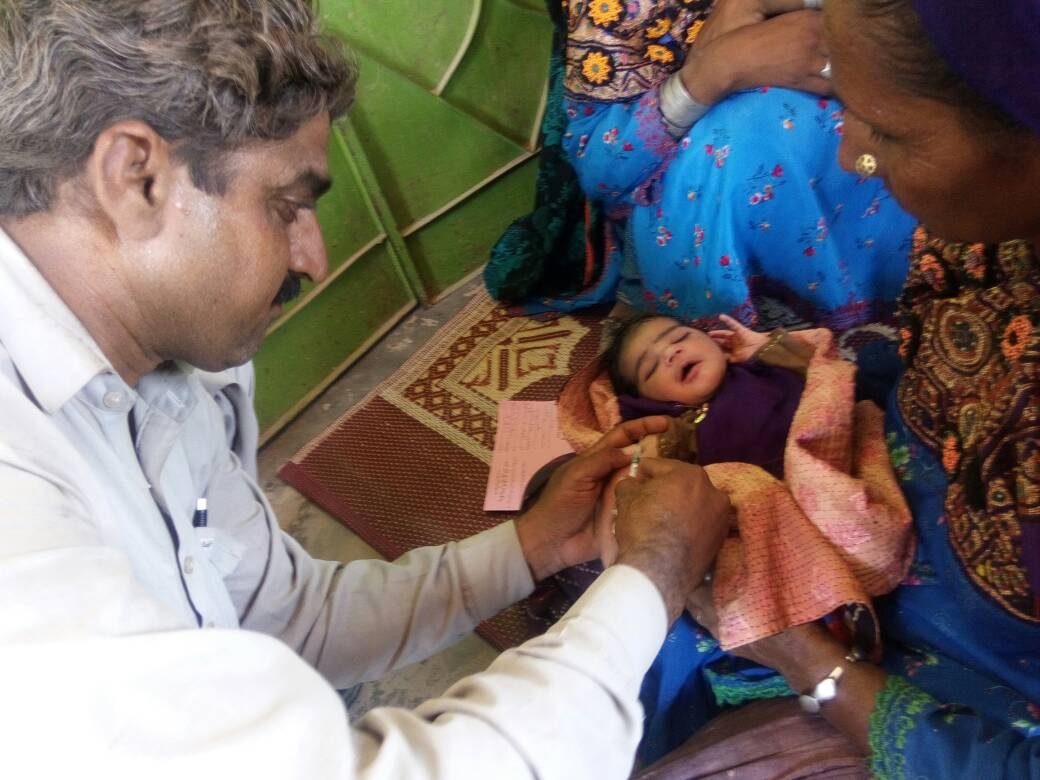
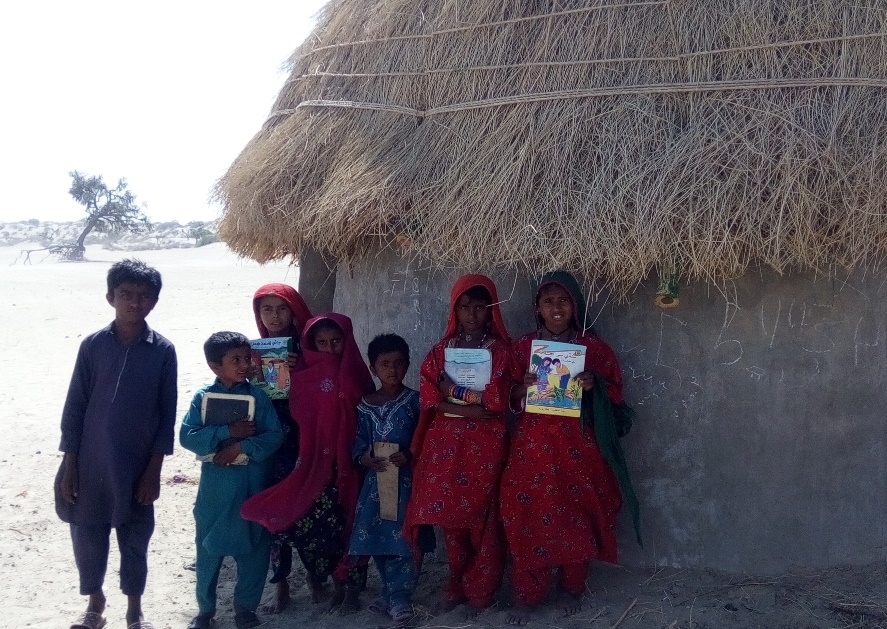
Based on the team’s research, from the years 2013 to 2016, the region received below-average to moderate rainfall (averaging around 50 100mm) which impeded fodder germination every year. Soil and water assessments revealed severely degraded conditions, including sandy soils with low organic matter, poor moisture retention, high salinity, and susceptibility to wind erosion. These factors constrain agricultural productivity and make conventional cropping systems largely unsustainable without climate-smart interventions. Environmental degradation driven by prolonged drought, deforestation, and overgrazing has further weakened ecosystem resilience and natural drought buffers.
Climate change has also compounded challenges related to healthcare, education, and infrastructure. Long distances to health facilities, limited service coverage, weak road connectivity, and education disruption especially for girls reduce adaptive capacity and undermine long-term human capital development. Seasonal migration has become a routine coping strategy, further destabilizing household livelihoods and social systems.
Conclusion
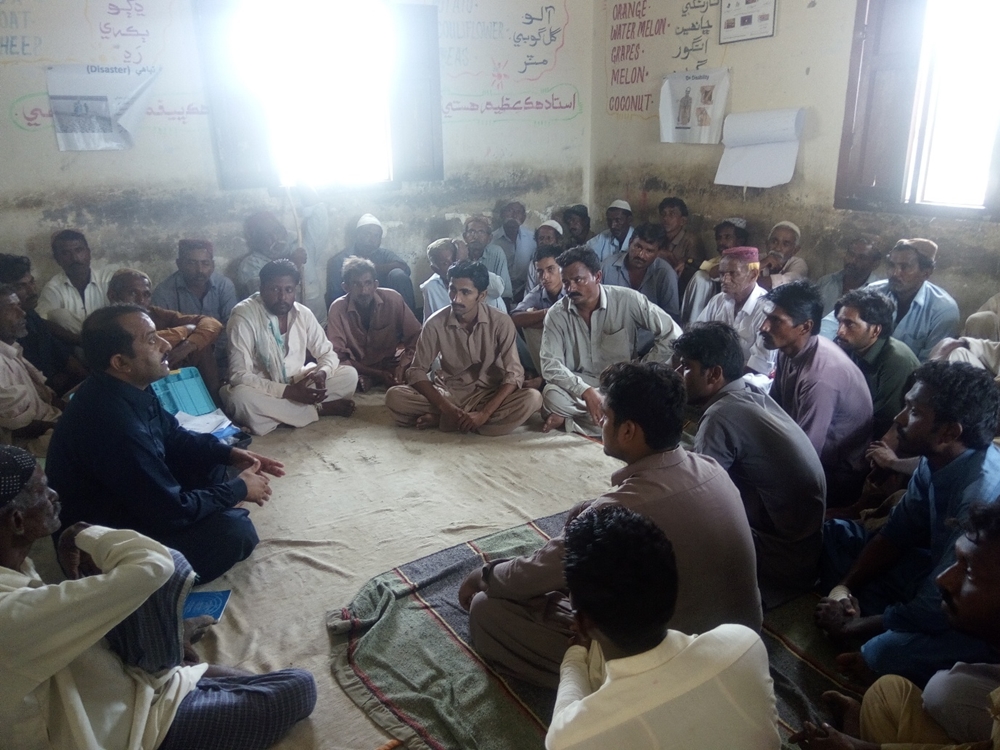
Climate impacts in Achro Thar are systemic rather than episodic, requiring integrated responses across water management, agri food systems, livestock health, nutrition, infrastructure, and governance. The Achro Thar case underscores how climate change acts as a risk multiplier across agri food value chains, food security, public health, and rural livelihoods. Addressing these challenges demands coordinated, evidence based approaches that integrate science, regulation, and implementation an approach central to Agro Food Intellect’s work in advancing climate resilient, sustainable agri food systems in Pakistan and beyond. Our findings reinforce the need for institutional coordination, evidence based policy design, and sustained investment in arid zone development aligning directly with agri food intelligence approaches that integrate climate, food safety, public health, and livelihood systems.